Cold outreach works reliably in 2026 when target-group specification, decision-maker mapping, contact data management and interaction history come together systematically. Most B2B sales teams fail not because of bad conversations but because of missing structure: no clean data, no documented touchpoints, no measurable sequences. This guide shows which building blocks a repeatable outbound system needs and how teams move from one-off actions to scalable pipeline.
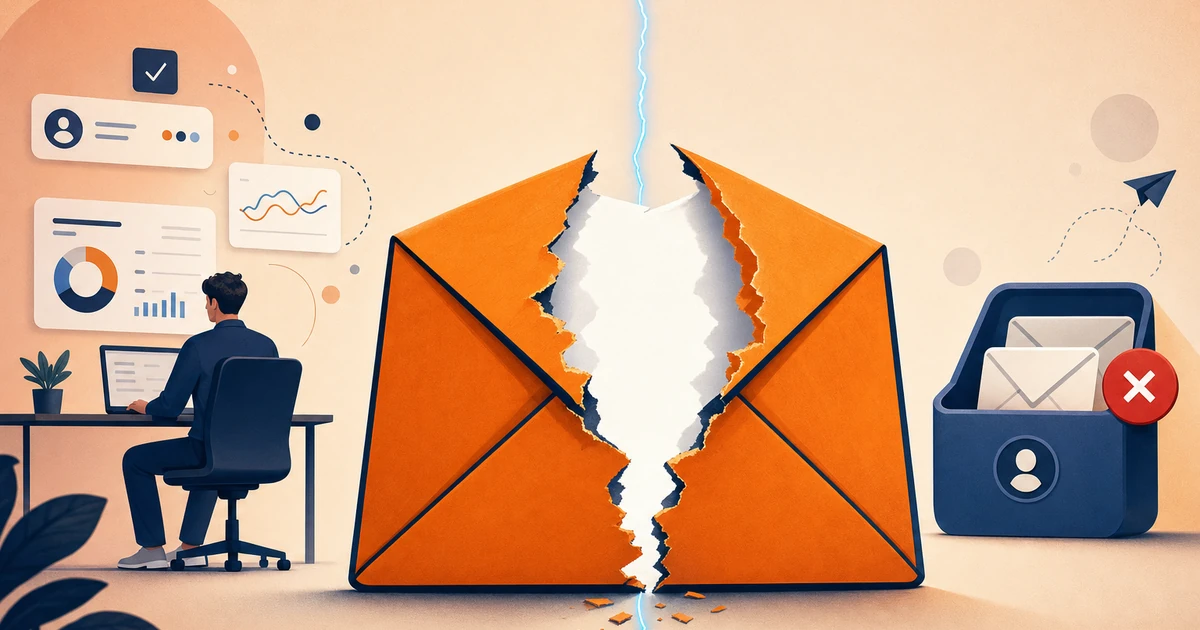
The core mistake: too little system, too many one-off actions
Most outbound processes stay sporadic because they run individual actions without consistently linking data quality, sequences and metrics. A real system integrates CRM processes, ICP definition, KPI measurement and automation to make cold outreach repeatable instead of random. Teams that do not want to build this in-house bring in a cold email agency that already has these building blocks.
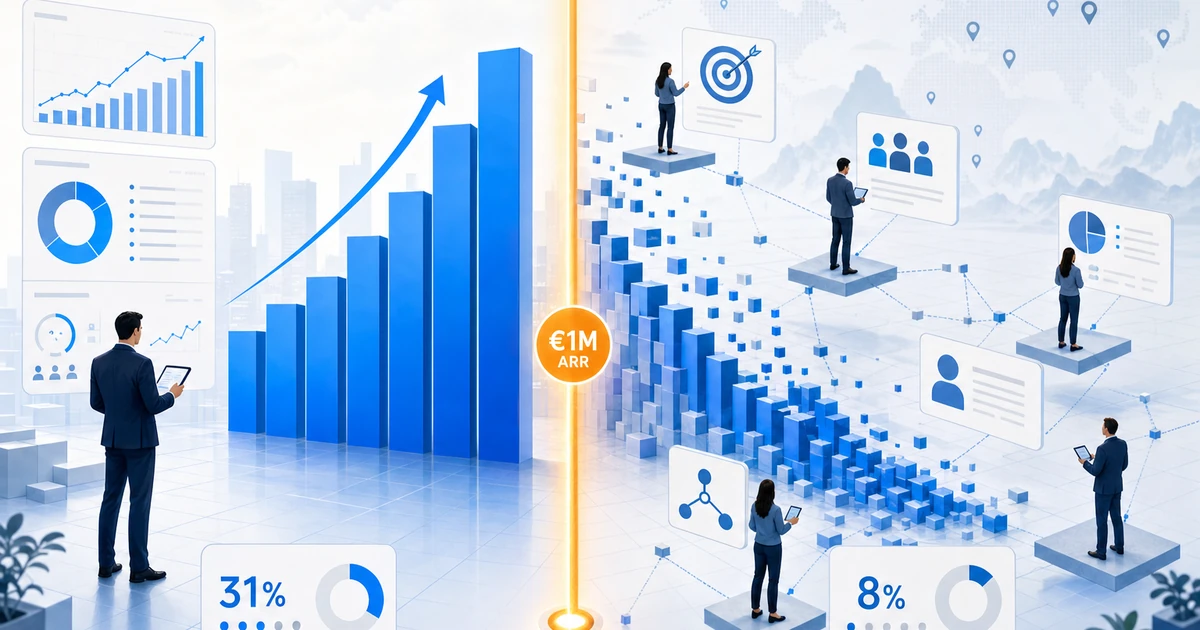
Amplifa names the positive reply rate as the central leading metric for B2B outbound in 2026, while downstream KPIs such as meeting rate and SQL rate depend on it. Published average reply rates differ widely because method and sample differ: Hunter measured 4.5% across 31 million emails in 2025, Belkins 0.45% across 7.5 million emails.
If only “more emails” go out but replies, meetings and opportunities are not measured separately, it stays unclear whether the problem is copy, targeting or follow-up. A reliable system measures every stage of the conversion chain.
Takeaway: Without structured funnel measurement, cold outreach stays a matter of luck instead of a repeatable process.
- Positive reply rate: whoever responds to the message shows the content is relevant
- Meeting rate: shows whether replies turn into actual conversations
- SQL rate: measures how many conversations become qualified sales opportunities

Why good data matters
High data quality such as validated emails, current titles and correct phone numbers matters more than raw list volume. Bad data causes bounces and wrong messaging. Quality secures deliverability, trust and chances of success.
Haufe Akademie stresses in 2025 that contact data management and regular updating of email addresses, LinkedIn profiles and phone numbers are the basis of efficient outreach. Comprehensive data enrichment with validated contact information raises the success rate significantly.
A list with outdated titles and unvalidated addresses causes bounce rates, poor deliverability and wrong messaging. A data process with enrichment, validation and volume control improves reachability and reduces wasted effort.
- Validation: check email addresses for deliverability before the first send
- Enrichment: add company size, industry and technographic signals
- Volume control: limit sending per mailbox to a moderate daily limit to protect reputation
The legal frame applies before the first send. Under Section 7 (2) no. 2 of the German Act against Unfair Competition (UWG), email advertising requires the recipient’s prior express consent, also in B2B; the only exception in Section 7 (3) covers existing customers under narrow conditions. Advertising calls to businesses require at least presumed consent under Section 7 (2) no. 1. Processing contact data usually rests on Art. 6(1)(f) GDPR, and Art. 14 GDPR adds an information duty. This is general information, not legal advice.
Teams that maintain data quality systematically reach higher open and reply rates with lower reputation risk. Investing in clean data pays off faster than raising volume on a poor base.
Why personalization and multi-channel are not optional
Personalization shows preparation and genuine interest in the recipient. It is based on prior research into industry, role and problems, delivers value and builds trust. Multi-channel combines LinkedIn, email and phone to raise visibility and strengthen recognition.
Enginy names personalized pre-research and data enrichment in 2026 as the first of the best cold outreach strategies. Hunter found that emails with two custom attributes earned a 56% higher reply rate than non-personalized emails (5.6% against 3.6%), so relevance compounds across every subsequent step.
Hunter reports for 2025 that LinkedIn is the preferred outreach channel for 50.5% of decision makers, against 25% for email. Teams therefore increasingly add channels instead of using email alone.
Takeaway: A prospect who first notices you on LinkedIn, then receives a relevant email and is called only afterwards experiences less friction than with isolated calls.
The difference between cold and warm outreach often lies in exactly this preparation: investing time in social selling touchpoints builds recognition and raises the chance that the first direct contact is perceived as relevant.
- LinkedIn preparation: connection request with a short reference to shared context
- Email sequence: value-oriented message with a concrete reason to write
- Phone follow-up: short conversation referring to earlier touchpoints
- Further follow-up: new information or a current reason instead of mere repetition
What a working outbound system actually needs
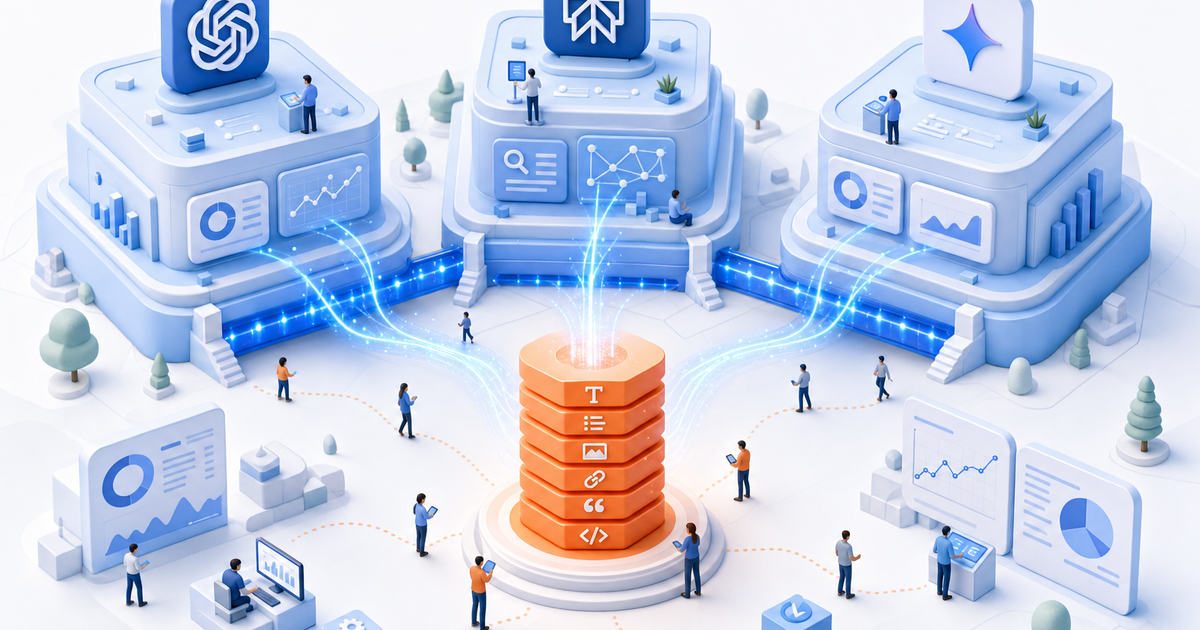
A reliable system links target-customer definition, lead lists, sequences, KPI tracking and coaching in one workflow. Without this link, cold outreach remains a series of uncoordinated one-off attempts instead of repeatable pipeline generation.
Haufe Akademie names CRM, AI and automation tools as modern enablers for optimizing processes and accuracy. Rework adds operational metrics such as deliverability, open rate, reply rate, meeting rate and call connect rate.
Multi-channel sequences link a LinkedIn connection request, a value-oriented email, a first phone contact and follow-up. They include buying-center identification and account tiering, with time prioritized on tier 1 accounts.
An SDR team without clean data, buying-center mapping and documented touchpoints gets conversations but no repeatable pipeline. Only when these elements are mapped in CRM processes and fixed sequences does cold outreach become scalable.
- ICP definition: clearly defined traits of ideal target customers
- Lead list process: enrichment, validation and segmentation before outreach
- Sequence playbook: documented series of touchpoints across several channels
- KPI dashboard: transparent measurement from reply rate to SQL rate
- Coaching loop: regular review and improvement of conversations
The SPIN question system is a structured approach for complex sales with four steps: situation, problem, implication and need-payoff. Good cold outreach is not a script but a guided conversation with diagnostic logic.
FAQ
Why is cold outreach still relevant in 2026?
Cold outreach stays relevant because it enables direct relationships with decision makers and builds predictable pipeline. While inbound generates attention, outbound ensures targeted contact with suitable target customers. With clear segmentation, a multi-channel approach and a system, it remains a growth driver in B2B sales.
What do most outbound processes lack today?
Most outbound processes lack structure. Individual actions are often run without data quality, sequences and metrics being consistently linked. A real system integrates CRM processes, ICP definition, KPI measurement and automation to make cold outreach repeatable and scalable instead of random.
How does outbound differ from inbound in B2B?
Outbound actively initiates contact with clearly defined target customers, while inbound waits for incoming inquiries. In B2B, outbound leads faster to conversations with decision makers but requires good data and personalization. Both approaches complement each other in a holistic sales strategy.
Why is personalization decisive in cold outreach?
Personalization shows preparation and genuine interest in the recipient. It is based on prior research into industry, role and problems, delivers value and builds trust. As a result reply rates and relevance rise, because the first contact conveys advice instead of advertising and makes dialogue more likely.
How does multi-channel improve cold outreach results?
A multi-channel approach combines LinkedIn, email and phone to raise visibility and build trust. Each channel serves a different touchpoint and strengthens recognition. This orchestrated outreach reaches prospects at more moments than communication through a single channel.
What does SPIN bring to modern outbound sales?
SPIN structures sales conversations with questions about situation, problem, implication and need-payoff. This lets the SDR steer the conversation diagnostically instead of promotionally. It helps to understand needs, prepare for objections and offer suitable solutions, especially in complex B2B decision processes.
Why do systems beat one-off actions in cold outreach?
A systematic approach creates transparency, measurability and scalability. Instead of contacting people sporadically, data quality, sequences and metrics are continuously optimized. This makes it possible to spot process weaknesses, repeat successes and improve results over time instead of depending on lucky hits.