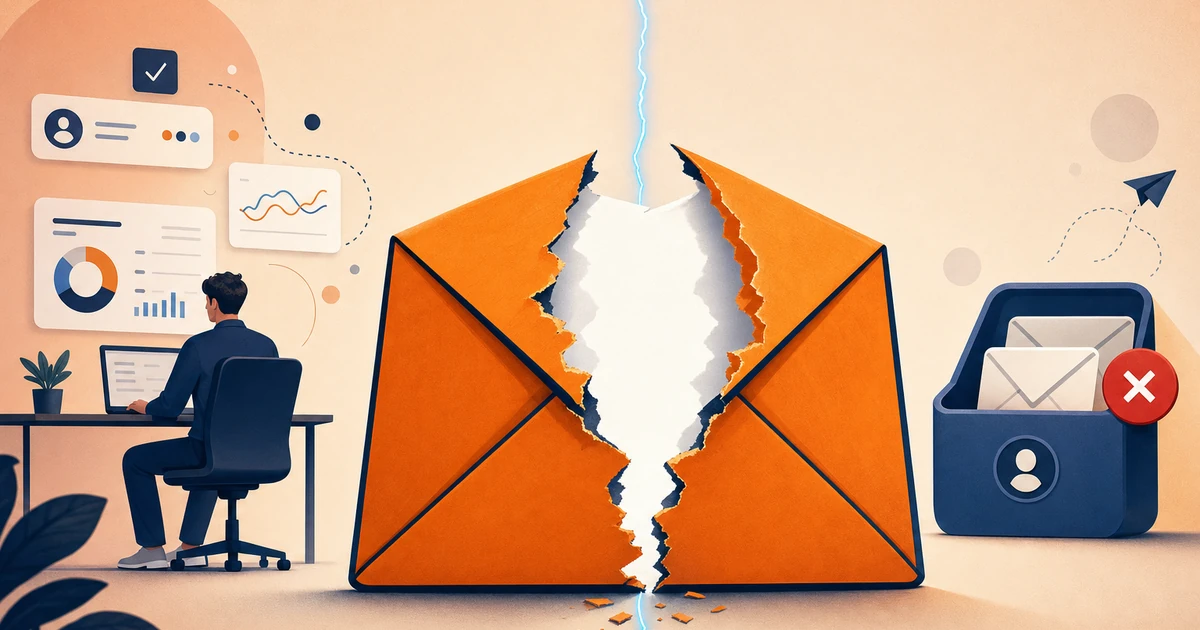
Cold outreach still generates pipeline, but most campaigns fail because they rely on volume instead of systems. Reply rates in B2B cold email typically range from 1% to 5%, while well-targeted campaigns exceed 8% to 10% in 2026. This article shows what separates high-performing outbound from noise: targeting depth, message clarity, and a multi-channel approach that treats metrics as diagnostic signals rather than vanity checks.
Targeting precision beats send volume
High-performing cold campaigns depend on tight segmentation, verified contacts, and live business signals. Campaigns targeting narrow ICPs outperform broad blasts by 2.76 times, while personalization depth alone can lift reply rates by 52 percent. The diagnosis starts with list quality and trigger selection, not message wordsmithing.
Most teams confuse activity with effectiveness. Sending 10,000 emails to a generic list of VPs produces fewer meetings than 500 messages to prospects experiencing a live trigger. Personalization depth drove 52% higher reply rates in a 2025 benchmark analysis, proving relevance compounds across every subsequent step.
Segmentation means more than industry codes. Teams should layer trigger events, role fit, company size, and tech stack signals to create cohorts small enough for tailored messaging. When outreach references a real business moment, recipients respond because the message feels like timing rather than spam.
Takeaway: Narrow the list before writing the message; relevance starts with who receives it.
DACH buyers operate under stricter data-protection norms and expect formal, Sie-form communication. Building a clean, consent-aware list takes longer than scraping LinkedIn, but deliverability and engagement improve when contacts recognize why they were selected.

Follow-up cadence and message brevity both matter
Effective sequences contain three to seven touches within ten days, and most replies arrive by day ten. Emails under 125 words with a single clear call to action outperform longer pitches. Each follow-up should add new context rather than repeat the same request.
A 2025 cadence study found that a first follow-up raised replies by up to 49%, but a fourth email dropped replies by 55 percent. The lesson is compression: teams should fit the narrative into fewer, stronger touches instead of stretching sequences to fourteen days.
Shorter messages force clarity. A six-sentence email must name one problem, one proof point, and one next step. Anything longer risks burying the ask or losing attention midway through the pitch. Recent benchmarks show emails under 200 words consistently outperform longer alternatives.
- Touch one: problem hypothesis tied to a signal.
- Touch two: social proof or relevant case.
- Touch three: new angle or insight, not a repeat.
Copy refinement comes after targeting. When list quality is weak, no subject line will rescue the campaign. When targeting is strong, plain-text brevity often performs better than designed HTML templates.
Takeaway: Keep sequences short and each message concise; every touch must justify its presence.
Multi-channel orchestration increases engagement and reach
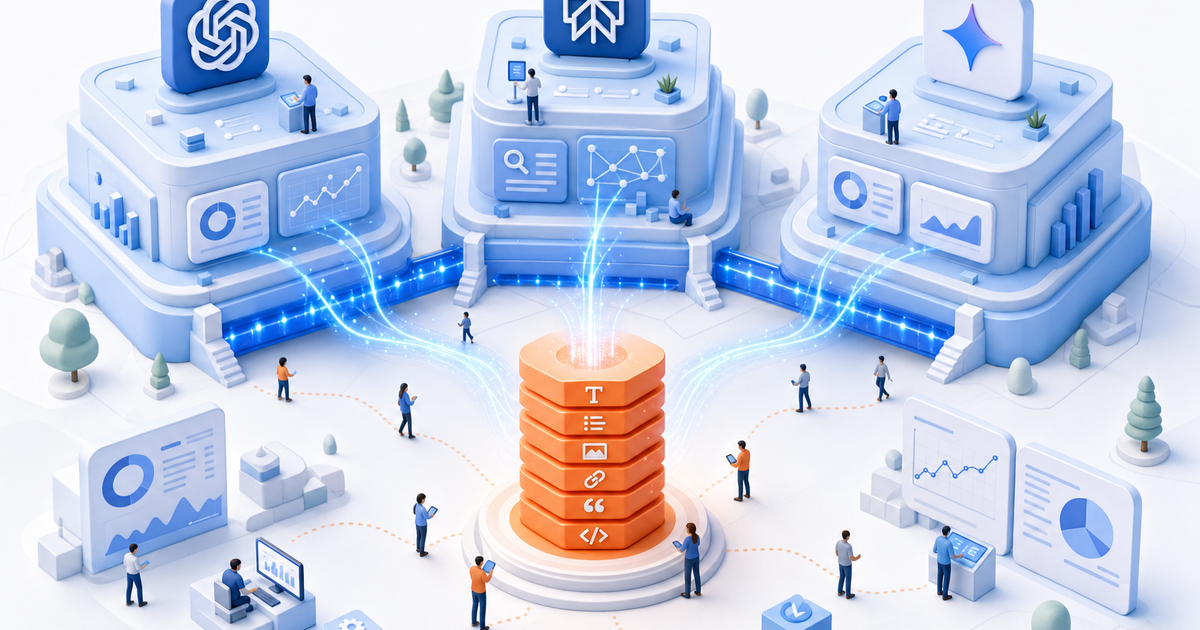
Combining email, phone, and LinkedIn touches generates around 40% higher engagement than email-only sequences. Most effective programs require eight to twelve total touchpoints to book a meeting, distributed across channels rather than stacked in one inbox.
Multi-channel does not mean random activity. Orchestration maps each touch to a business moment: the first email references a live signal, a LinkedIn connection request follows two days later, and a voicemail reinforces the same message without adding new complexity. When touches reinforce rather than scatter, prospects see coherence instead of spam.
Email-only programs work best at three to four messages before returns diminish. Adding phone and LinkedIn extends the effective window because each channel reaches prospects at different moments of attention. A prospect ignoring email may respond to a short voicemail or a LinkedIn note referencing the same account signal.
For context on how cold and warm outreach strategies differ, teams should understand that multi-channel sequences treat every touch as part of a single story rather than independent blasts.
Takeaway: Distribute touches across email, phone, and LinkedIn; reinforce one narrative instead of scattering messages.
Measure outcomes, not activity
Strong outbound systems track deliverability, reply rate, positive reply rate, meeting-booked rate, and pipeline contribution. Open rates remain visible but now signal less because privacy changes distort tracking. Performance diagnosis starts with reply and meeting data, not send volume.
Teams that judge success by sends or open rates miss the real story. When sends stay stable but meetings drop, the issue lies in list quality, offer clarity, or inbox placement. A 2026 benchmark framework recommends focusing on reply rate and meeting-booked rate as core health signals, treating bounce rate and spam complaints as secondary diagnostics.
Attribution inside the CRM connects outbound activity to closed revenue. When each sequence ties back to pipeline, teams can measure cost-per-meeting, meeting-to-opportunity rate, and contribution by segment. That visibility lets operators shift budget toward high-performing triggers and industries instead of spreading effort evenly.
- Deliverability rate: percentage reaching the inbox.
- Reply rate: total responses divided by delivered messages.
- Positive reply rate: interested replies excluding out-of-office and unsubscribes.
- Meeting-booked rate: scheduled meetings per hundred delivered messages.
Weekly reviews comparing booked meetings by segment reveal where the system works. When one ICP cohort generates three times the meetings of another, the answer is clear: double down on the winner and refine or cut the rest.
Takeaway: Track replies and meetings, not just sends; outcomes show where the system succeeds or breaks.
FAQ
Is cold outreach still effective in 2026?
Cold outreach remains effective when executed with focused targeting, deep personalization, and strong follow-up strategy. Reply rates for well-segmented campaigns can exceed 8% to 10%, while broader efforts hover around 1% to 5%. Performance depends on relevance, deliverability, and system quality rather than raw volume.
Why do most cold campaigns fail today?
Most cold campaigns fail due to poor targeting, generic messaging, and lack of system optimization. Broad blasts with weak segmentation rarely convert. Success depends on verified lists, short personalized messages, strong follow-ups, and measuring outcomes like replies and meetings instead of just open rates.
How does targeting impact cold email reply rates?
Precise targeting drives higher reply rates because recipients see relevant value. When segmentation and personalization align with buyer triggers, reply rates improve significantly. Smaller, tightly segmented campaigns outperform generic ones by several times, highlighting the importance of focusing outreach on the right audience.
Is personalization more important than sending volume?
Personalization is more important than volume because quality interactions yield better outcomes. A smaller, well-personalized campaign often generates higher engagement and conversion rates than mass sends. Relevance and clear problem-solving resonate with prospects, whereas volume-based strategies typically lead to deliverability issues and poor reply performance.
Does multi-channel outreach perform better than email-only?
Multi-channel outreach outperforms email-only sequences in engagement and conversions. Combining email, phone, and LinkedIn touches provides several access points and reinforces messaging. Multi-channel sequences generate around 40% higher engagement, and typically eight to twelve total touchpoints are needed to book a meeting effectively.
What’s the best cold follow-up sequence length?
Effective cold follow-up sequences usually contain three to seven touches within ten days. Most replies occur by day ten, and excessive follow-ups can produce negative returns. Each message should add something new, such as social proof, insight, or relevant context, rather than repeating the same generic ask.
Are shorter cold emails better than long pitches?
Shorter cold emails typically perform better because they respect reader attention. Emails under 125 words or six to eight sentences capture interest and prompt replies. Brevity forces clarity, ensuring one main idea and a single call to action, which helps readers act without feeling overwhelmed.