
In the competitive world of recruitment, generating high-quality leads is crucial for success. Cold outreach remains a strategy for reaching potential clients, but in DACH only within narrow legal limits. To stand out, recruiters need to prepare their outreach carefully. Leveraging AI and web scraping can make lead generation more efficient.
This blog post explores best practices for B2B lead generation for recruiters through cold outreach. It shows how these technologies can help recruiters identify the right leads, personalize their messages, and achieve better results. The section on the legal framework further down belongs in the planning of every campaign.
Understanding B2B Lead Generation for Recruiters
B2B lead generation involves identifying and attracting potential business clients who need recruitment services. For recruiters, this means finding companies actively hiring or those who might benefit from your services. The process includes discovering decision-makers, understanding their needs, and crafting targeted messages.
A significant challenge is reaching out to the right contacts effectively. Targeted outreach instead of scattershot sends usually lowers the cost per lead (see also B2B cost per lead per industry). Leveraging advanced tools like AI can help make your outreach more precise and efficient.
Best Practices for Cold Outreach
Leveraging AI-Based Methods
Utilizing AI-based methods in cold outreach can improve your lead generation. AI can identify specific triggers and pain points, providing insights into potential leads. Data enrichment tools and databases like Apollo can combine information from various sources, for example on job changes and company growth.
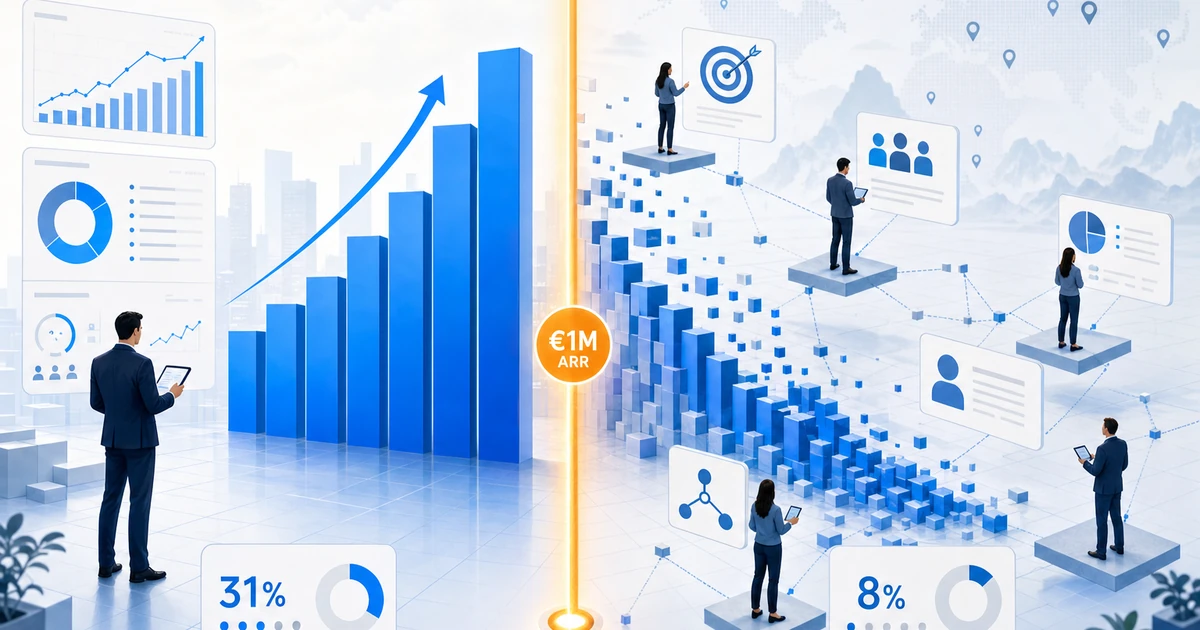
AI-driven personalization is an important lever. In a 2015 article, McKinsey writes that personalization can deliver five to eight times the ROI on marketing spend and lift sales by 10% or more (McKinsey, Personalizing at scale). The statement refers to marketing in general, not to recruiting or cold outreach. By analyzing prospects’ online activities and behaviors, messages can be tailored to their needs.
Incorporating AI in your cold outreach strategy increases efficiency and can improve the quality of your leads. Your messages are more likely to reach people who are ready to engage.
Personalization at Scale
Personalization at scale enables recruiters to send tailored messages to a large audience without compromising quality. With enrichment tools and databases like Apollo, recruiters can sift through large amounts of data from multiple sources to craft personalized emails.
What does this mean for recruiters? You can turn a generic cold email into a message that speaks directly to the prospect’s situation. Imagine referencing a prospect’s recent job change or their company’s latest product launch in your email. Such details grab attention and foster connection.

AI automates this process and enables a level of personalization that would otherwise take hours of manual effort. This saves time and can raise engagement. In the fast-paced world of recruitment, hyperpersonalization isn’t just a nice-to-have; it is a competitive advantage.
Identifying Triggers for Cold Outreach
Recognizing the right triggers can improve a cold outreach campaign. Triggers are specific events or changes that signal a prospect might need your services. By identifying these triggers, recruiters can time their outreach and make sure their message lands at the most opportune moment.
One important trigger is job changes. When someone changes jobs, it often indicates they might be open to new opportunities or need recruitment services for their new role. Monitoring platforms like LinkedIn can help spot these changes. Another trigger is company growth. Companies expanding rapidly or launching new products often need to scale their teams quickly.
Employee turnover and new office openings are also key indicators. Frequent staff changes or new locations suggest a company is in a state of flux and might benefit from recruitment support. Additionally, keeping an eye on industry-specific events and trends can reveal companies likely to require hiring solutions.
By leveraging these triggers, recruiters can craft timely, relevant messages that match prospects’ immediate needs. This can improve response rates and builds stronger connections with potential clients.
The triggers mentioned are just the basics. For our clients’ campaigns, we combine multiple data sources and trigger points into an outreach strategy that fits.
Utilizing Data and Automation Tools
Efficient Data Enrichment
In the realm of cold outreach, efficient data enrichment is important. This process involves enhancing your basic data with additional information, turning it into actionable insights. By enriching LinkedIn profiles with details like job titles, company domains, and start dates, recruiters gain a comprehensive view of potential leads.
Sources such as LinkedIn, Crunchbase, and Glassdoor provide a lot of data for enrichment. This makes your outreach more targeted, because you reach the right prospects at the right time.
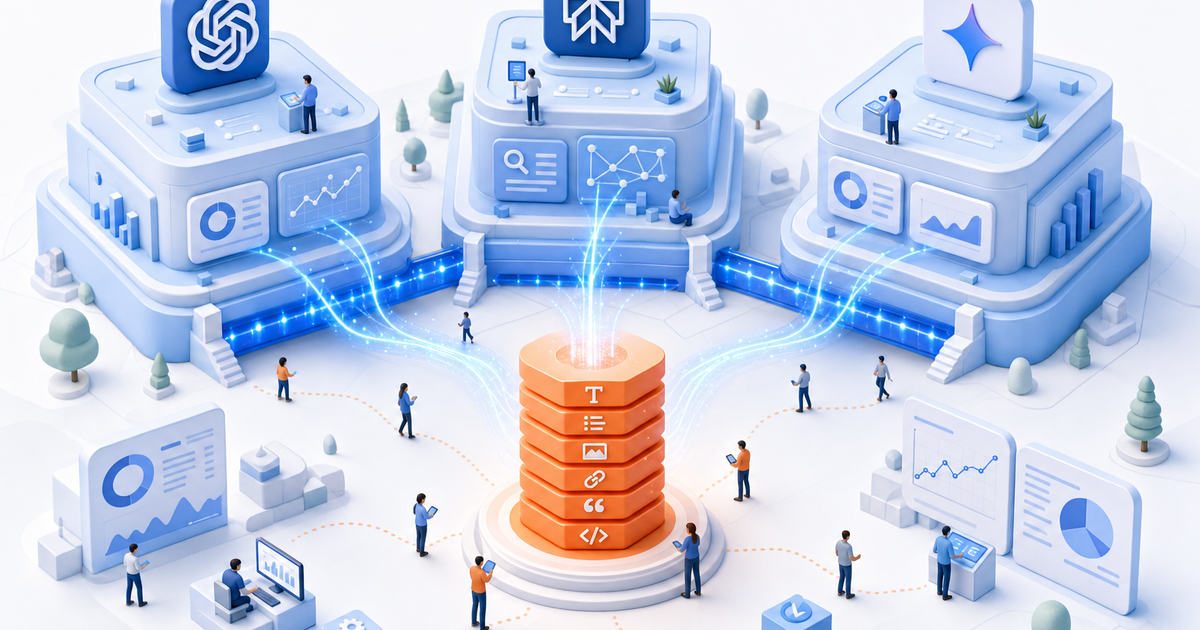
To use different data sources, recruiters rely on enrichment tools that combine several data providers in one workflow. They make it possible to evaluate technographics, intent data, job histories, and public posts and comments. This yields concrete in-market triggers or pain points that can be addressed in outreach. Keep in mind that collecting and processing this data is also relevant under data protection law (see the section on the legal framework).
By using such tools, recruiters can streamline their lead generation and save time. Data enrichment and structured workflows are a good basis for high-quality leads.

Automated Cold Email Sequencing
Automated email sequencing means setting up a series of pre-written emails that are automatically sent to prospects over a specific period, ensuring consistent follow-up.
Tools like Instantly and Smartlead make it easy to automate your cold email campaigns. These platforms offer features to enhance your outreach:
- Inbox Rotation: This technique involves sending emails from multiple inboxes to spread the load and protect deliverability.
- Warm-Up Protocols: Gradually increase email activity to establish a positive sender reputation and avoid being flagged as spam.
- Personalization at Scale: Utilizing dynamic variables to tailor each email to the recipient’s specific details.
By using these tools, recruiters can maintain a steady flow of communication with prospects without manual effort. Automation does not replace legal review: automated cold emails to DACH contacts are subject to the rules in the section on the legal framework as well.
Moreover, automated email sequencing enables A/B testing, allowing you to refine your messages and identify the most effective variants.
Experience and Examples from Practice
At Jolly Marketer, we have supported clients in turning their outreach into structured campaigns. One example from our experience is a recruiting firm that won qualified sales leads through our campaigns. Our AI-based trigger and pain-point identification techniques were part of that work.
No Brainer Offers: A key to this are offers that provide high value with minimal risk, making it easy for potential clients to engage. An offer so good that saying no is hard is a cornerstone of our approach. Read more about offer creation in our post about demand generation vs. demand capture.
Lead Magnets: Additionally, we use lead magnets to attract and capture high-quality leads. This might include free reports, checklists, or tools that our prospects find valuable. For example, a comprehensive industry report can position your agency as an expert and build trust with your audience.

Partner with Jolly Marketer
Partner with Jolly Marketer to experience tailored cold outreach strategies and let us help you reach your recruiting goals more efficiently.
Legal Framework for Outreach in the DACH Region
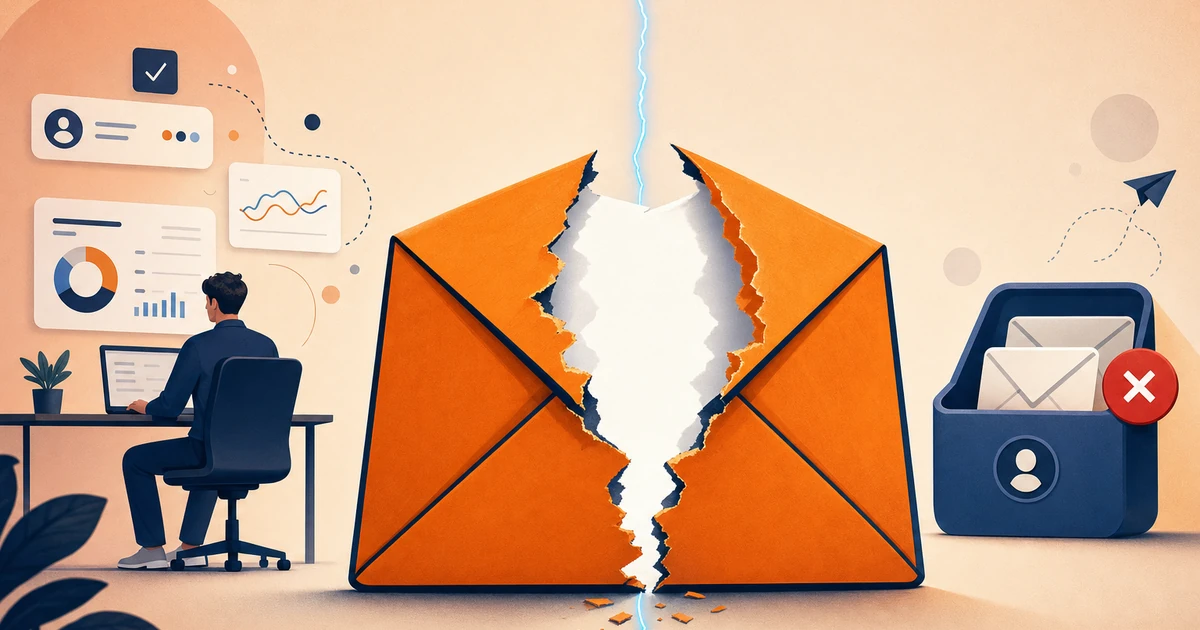
Cold outreach is tightly limited by law in Germany, including in B2B. Under Section 7(2) no. 1 UWG (German Act against Unfair Competition), an advertising call to a business is permitted only with at least presumed consent. Under Section 7(2) no. 2 UWG, advertising by email without the recipient’s prior express consent is always an unacceptable nuisance, also in B2B. Section 7(3) UWG provides an exception only for existing customers under narrow conditions (Section 7 UWG, English translation). A cold email to an unknown contact is therefore only permitted with their prior consent.
Data protection comes on top. Controllers usually base the processing of contact data on legitimate interest under Art. 6(1)(f) GDPR, which requires a balancing test. It does not replace the consent required under the UWG. Anyone who does not collect data directly from the data subject must inform them under Art. 14 GDPR, at the latest at the time of the first communication and within one month at most.
This section is orientation, not legal advice. Have your specific campaign reviewed legally before launch.
Conclusion
Cold outreach for B2B lead generation in recruitment requires a strategic blend of AI-driven personalization, automated email sequencing, strong offers and lead magnets, and a sound legal basis in DACH. Applying these best practices can improve engagement and conversion. Start by reviewing your outreach strategy.
Case Study: Lead Generation for a Recruiter through Strategic Cold Outreach
Introduction: In this case study, we show how Jolly Marketer supported a recruiting client with a cold outreach strategy. The basis was a workflow in an enrichment tool that combines data from several sources. The campaigns ran for the US and UK markets. In DACH, the narrower rules from the section on the legal framework apply.
Challenge: In the highly competitive recruitment market, it is a challenge to find qualified candidates for sales positions like Account Executives and SDRs (Sales Development Representatives). Identifying and effectively reaching out to potential candidates and companies is crucial.
Solution: Jolly Marketer developed a tailored solution that included the following steps:
Targeted Data Collection
- We built a lead list with validated email addresses only, so that few emails bounce.
- Identified companies with open sales positions through targeted searches on LinkedIn Jobs.
Strategic Segmentation and Filtering
- Divided the lead list into two separate campaigns for the US and UK markets.
- Used specific filters to exclude recruiting companies and focus on tech sector companies with 50 to 500 employees.
Personalized Outreach
- Crafted tailored emails that addressed the requirements of the listed positions.
- Automated normalization of job titles, descriptions, and locations so that the messages read clean and relevant.
- Example email structure: “I see that you are hiring for the position [Job Title] in [Location]. Based on your job description, you are looking for [Requirement 1], [Requirement 2], [Requirement 3]. We have candidates who meet these criteria. Would you like to speak with them?”
Efficient Processing and Automation
- Used a language model to normalize location data and create concise summaries of job requirements.
- Ensured that only validated email addresses were used in campaigns.
Result: From this combination of data preparation, segmentation, and personalization, the client was able to generate new business. We deliberately name no figures here because they cannot be publicly verified.
Conclusion: Structured data enrichment combined with segmentation and personalized outreach can help recruiters optimize their lead generation. Talk to Jolly Marketer about how this can be applied in your company.
Frequently Asked Questions
How can AI improve B2B lead generation for recruiters?
AI combines data from multiple sources and helps identify triggers such as job changes and company growth. It enables personalization at scale and delivers insights about potential leads.
Which triggers should recruiters monitor in cold outreach?
Key triggers are job changes, company growth, new product launches, employee turnover, and new office openings. These events signal that companies are likely to need recruitment services or are open to new opportunities.
How does personalization affect cold outreach success rates?
Personalized messages address the recipient’s situation and feel more relevant than mass mailings. In a 2015 article, McKinsey describes for marketing in general that personalization can deliver five to eight times the ROI on marketing spend and lift sales by 10% or more (source). We do not cite verified figures specific to recruiter cold outreach.
What is data enrichment and why does it matter for lead generation?
Data enrichment means extending basic data with additional information such as job titles, company domains, and start dates. This makes your outreach more targeted.
How do automated email sequences work in cold outreach?
Automated sequences send predefined emails automatically over a period of time. They use inbox rotation, warm-up protocols, and dynamic personalization. For recipients in Germany, prior consent is required (see the section on the legal framework).
What are ‘no brainer offers’ in the context of B2B cold outreach?
No brainer offers provide high value with minimal risk and are designed so that saying no is hard. They make it easy for prospects to agree to a conversation.
What role do lead magnets play in cold outreach for recruiters?
Lead magnets such as free reports, checklists, or tools attract prospects. They offer immediate value and let recruiters capture contact details, which is the basis for further conversations.
Is cold outreach allowed for recruiters in Germany?
Only with restrictions. Advertising calls to businesses require at least presumed consent under Section 7(2) no. 1 UWG, and email advertising requires prior express consent under Section 7(2) no. 2 UWG, also in B2B (statute text). Data processing usually rests on Art. 6(1)(f) GDPR, and the information duty under Art. 14 GDPR applies on top.
Why is timing crucial in cold outreach campaigns?
The right timing ensures messages arrive when prospects have a need. By monitoring triggers such as job changes or product launches, recruiters can send relevant messages at the right moment.
How does successful B2B lead generation for recruiters differ from generic cold outreach?
Successful strategies combine AI-based personalization, trigger detection, and data enrichment. They focus on concrete pain points, use strong offers and automated sequences instead of generic mass mailings, and respect the legal framework.